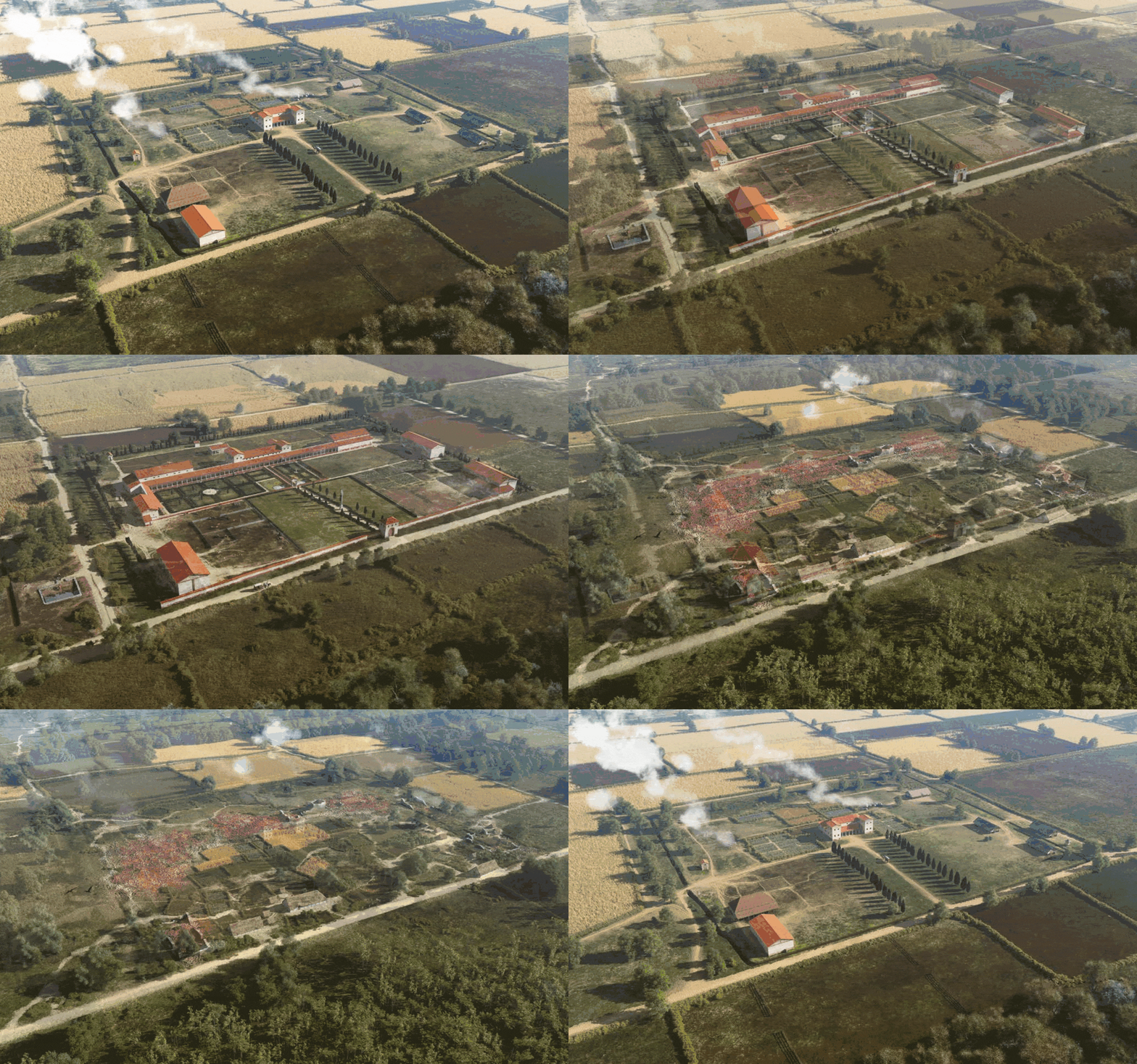
As a major road network, the Via Belgica operated similarly to contemporaries across the Roman Empire during the prosperity of the Middle Roman Period. Raw, agricultural products like grain, grapes and olives were produced in the rural provincial environs and exported along the Roman roads to larger cities and military bases. Urban manufactured food and goods, such as wine, oil, garam (fish-based condiment), fineware ceramics and other elite items, were then sold back to the rural communities via merchants. The rich loess soil of the region north of the Via Belgica facilitated its prosperity and a high villa density as a commercial producer of mostly grain (Renes, 2007). Civilian travelers and military personnel alike were able to traverse these roads relatively quickly and safely due to centralised infrastructure works that were organised, facilitated and maintained by the Roman army.
This economic interdependence between urban and rural settlements fractured throughout the empire as a result of the destruction and crises of the Third Century. The impact was felt in this region and along the Via Belgica as there is a noticeable decline in large estates and overall settlement population in rural regions such as those surrounding Tongeren (including the region nearby Maastricht). Consequently, these residents of rural estates were no longer able to import manufactured goods and thus began a self-sufficient ‘house economy’ that lasted well into the Middle Ages.